Shaykh Abdul-Karim al-Zanjani and the Pioneering of Philosophical Studies in Iraq
08-12-2025
Shaykh Abdul-Karim al-Zanjani and the Pioneering of Philosophical Studies in Iraq
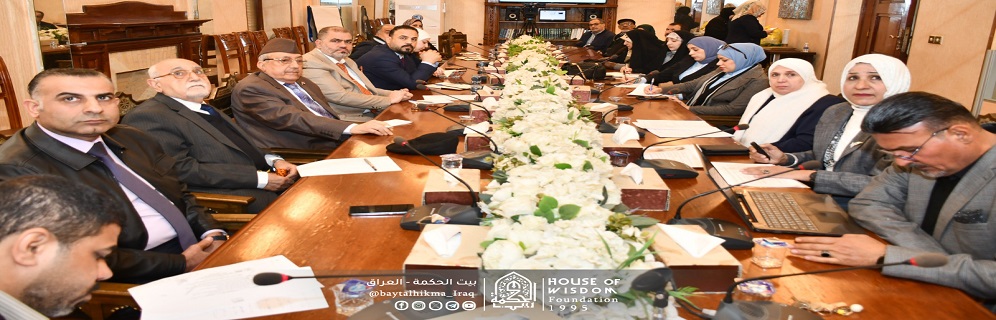
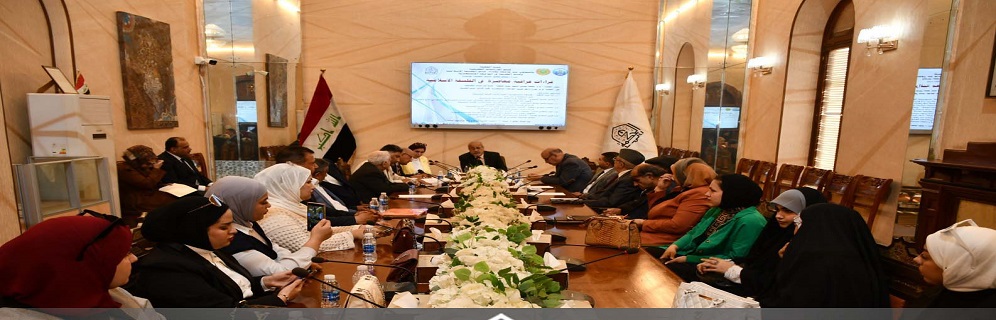
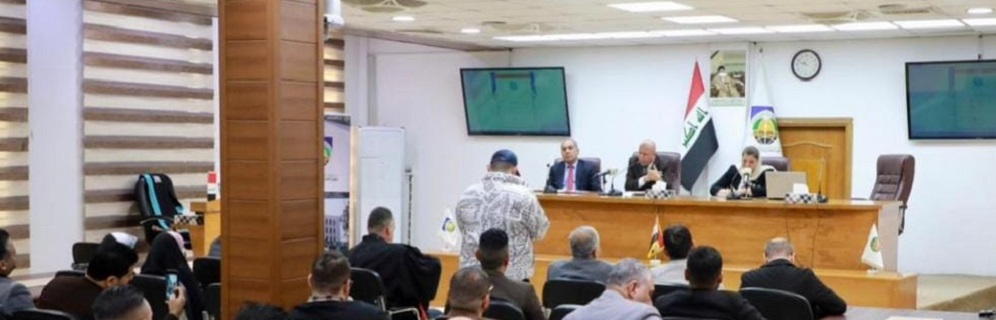
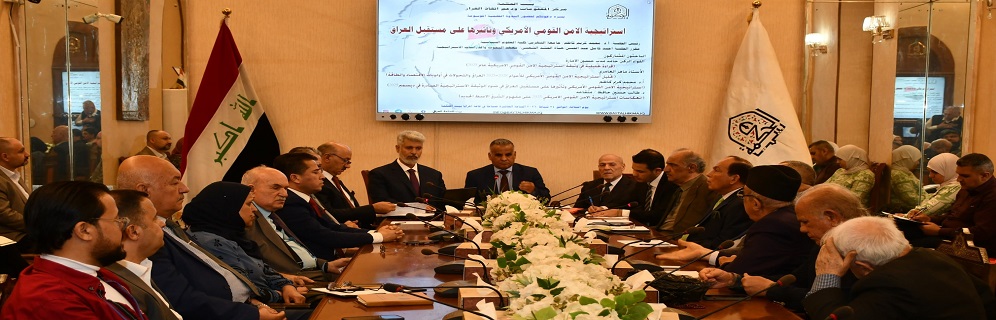
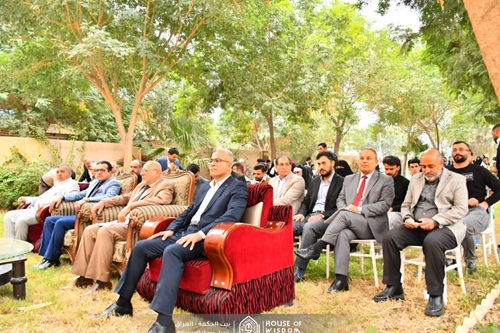
The Department of Philosophical Studies at Bayt al-Hikma, in cooperation with the Department of Philosophy at the College of Arts, University of Wasit, organized a scholarly lecture titled “Shaykh Abdul-Karim al-Zanjani and the Pioneering of Philosophical Studies in Iraq” on Tuesday, 2 December 2025, at the College of Arts – University of Wasit.
The session was chaired by Dr. Mohammed Hussein Al-Najm, Supervisor of the Department of Philosophical Studies at Bayt al-Hikma, and moderated by Dr. Abdullah Abdulhadi Al-Murhij from the Department of Philosophy at the University of Wasit. The lecture was presented by Assistant Professor Dr. Abdul-Jawad Abdul-Razzaq Al-Husseini.
Dr. Abdul-Jawad reviewed the scholarly biography and intellectual contributions of Shaykh al-Zanjani, known as Shaykh Abdul-Karim ibn Shaykh Mohammad Redha ibn Shaykh Mohammad Hassan al-Zanjani al-Najafi, who was born in 1304 AH (1886 AD) and passed away in Najaf in 1388 AH (1968 AD), where he was also buried. He began his religious studies in Najaf, later moving to Tehran to pursue further seminary education, before returning to Najaf in 1326 AH to continue his advanced studies. During this period, he studied under several prominent scholars of the Najaf seminary, including Sayyid Mohammad Kazem al-Yazdi, Sayyid Mohammad al-Fayruzabadi, Akhund al-Khorasani, and Shaykh al-Shari‘a al-Isfahani.
The researcher highlighted that the Shaykh was actively engaged in reform, travelling across various Arab countries advocating for Islamic unity and defending the rights of oppressed peoples—foremost among them the Palestinian people. He was among the first to oppose the Zionist project in Palestine. At the early stages of the Zionist state, he travelled to Jerusalem to raise political awareness among Muslims regarding the Balfour Declaration, delivering influential sermons at Al-Aqsa Mosque that resonated widely at the time. He also lectured at the Umayyad Mosque and the Syrian University in Damascus, as well as the Islamic Orphanage in Beirut. Later, he visited Egypt and delivered a two-hour lecture on philosophical scholarship in Iran and Najaf, attended by leading Egyptian philosophers, including Ahmed Amin, Mohammed Farid Wajdi, Ahmed Zaki, and Taha Hussein, who expressed their admiration for his vast knowledge.
The lecturer also referenced major works written about Shaykh al-Zanjani in the field of philosophy, such as Ibn Sina: Eternal through His Works and Virtues and Al-Kindi: Eternal through His Philosophy. The Shaykh authored Lessons in Philosophy, The Development of Philosophy, and several other ethical, jurisprudential, and religious works.
Dr. Abdul-Jawad further noted that Shaykh al-Zanjani had numerous observations on Einstein’s theory of relativity, which he sent to Einstein through an Indian intermediary. He also possessed knowledge and critical insights regarding Kant’s philosophy and writings, in addition to remarks related to the philosophy of language within Wittgenstein’s works.
In conclusion, the researcher emphasized the importance of studying the works of Shaykh al-Zanjani, reprinting those out of circulation, and editing the unpublished manuscripts, as he represents a major Iraqi scholarly figure deeply rooted in Iraqi intellectual traditions and the Arabic language.
The lecture was attended by a group of professors, researchers, undergraduate and graduate students, and specialists in philosophical studies, who enriched the session with their discussions and comments.